

Horizontal directional drilling, typically called HDD, is rapidly becoming the preferred method for laying utility lines and utility systems, particularly in urban and environmentally sensitive areas. This innovative trenchless technology allows builders to bore sideways under the ground, lessening disturbance to the existing environment and decreasing the need for significant excavation. As metropolises develop and the demand for utility installations increases, comprehending what horizontal directional drilling involves and how it operates is essential for project planners as well.
The positive aspects of choosing HDD are many, spanning lower ecological footprint to improved productivity. By navigating complex terrains and tackling traditional boring obstacles, HDD not just enhances schedules but also creates less refuse and preserves inputs. This article will discuss the various advantages of HDD, demonstrating how it is an ideal choice for various projects, including utilities, communication networks, and renewable energy infrastructure. If you are planning a new deployment or considering the technology for upcoming endeavors, the insights shared here will assist you in formulating informed decisions.
Top Advantages of Horizontal Directional Boring
One of the primary benefits of horizontal directional drilling is its minimal impact on the environment in comparison to traditional trenching methods. This method allows for the placing of pipes, wires, and utilities without the need for large-scale surface disruption. This makes it highly advantageous in vulnerable areas, such as public parks, swamps, or urban environments, where maintaining the condition of the environment is important. By reducing the amount of soil removed and minimizing the area affected influenced by the work, HDD preserves the ecosystem and minimizes the need for post-installation restoration.
Another significant pro of HDD is its speed in project timelines. The non-invasive nature of this method allows for swift completion, often completing projects in a small portion of the time needed for traditional digging. This speed not only speeds up project delivery but also lowers the cost of labor and the overall cost of utility installations. As a result, contractors can meet shorter timeframes while adhering to financial restrictions, making HDD an desirable option for various developments.
Moreover, HDD is very adaptable, enabling teams to traverse difficult terrain with simplicity. Whether dealing with rocky soil, urban settings, or difficult terrain such as streams and roads, this method provides a flexible solution that traditional trenching cannot provide. Its ability to drill at different angles and levels allows for the efficient addition of new pipes without large-scale surface work, enhancing the overall success of construction projects and ensuring that they can be carried out in diverse locations.
Comprehending the HDD Process
The HDD process begins with meticulous preparation and surveying of the project site to analyze ground conditions, underground utilities, and any potential obstacles. Once the preliminary assessments are made, the planning phase includes determining the most effective drilling path and depths to reduce disruption. This step is vital in ensuring that the drilling conforms with project requirements and local regulations, especially in urban settings where existing infrastructure may hinder work.
Next comes the installation phase, where the necessary equipment is brought to the site. The HDD machine, along with supporting equipment, is placed at the bore site. Operators then place a pilot drill bit, which will navigate the predetermined path. This stage includes live monitoring using sophisticated technology to ensure accuracy and to make modifications as needed. The initial hole is drilled, followed by the process of enlarging to expand the hole to the required diameter for the placement of the utility.
Finally, once the bore hole is prepared, the necessary utilities—such as pipes or cables—are pulled through the created bore. This step is carried out with precision to prevent any potential issues like blowouts. After the installation is complete, thorough inspections and testing are conducted to ensure system functionality. The HDD process is designed to be efficient and minimally invasive, preserving the integrity of the surrounding environment and surroundings.
HDD in City Development Initiatives
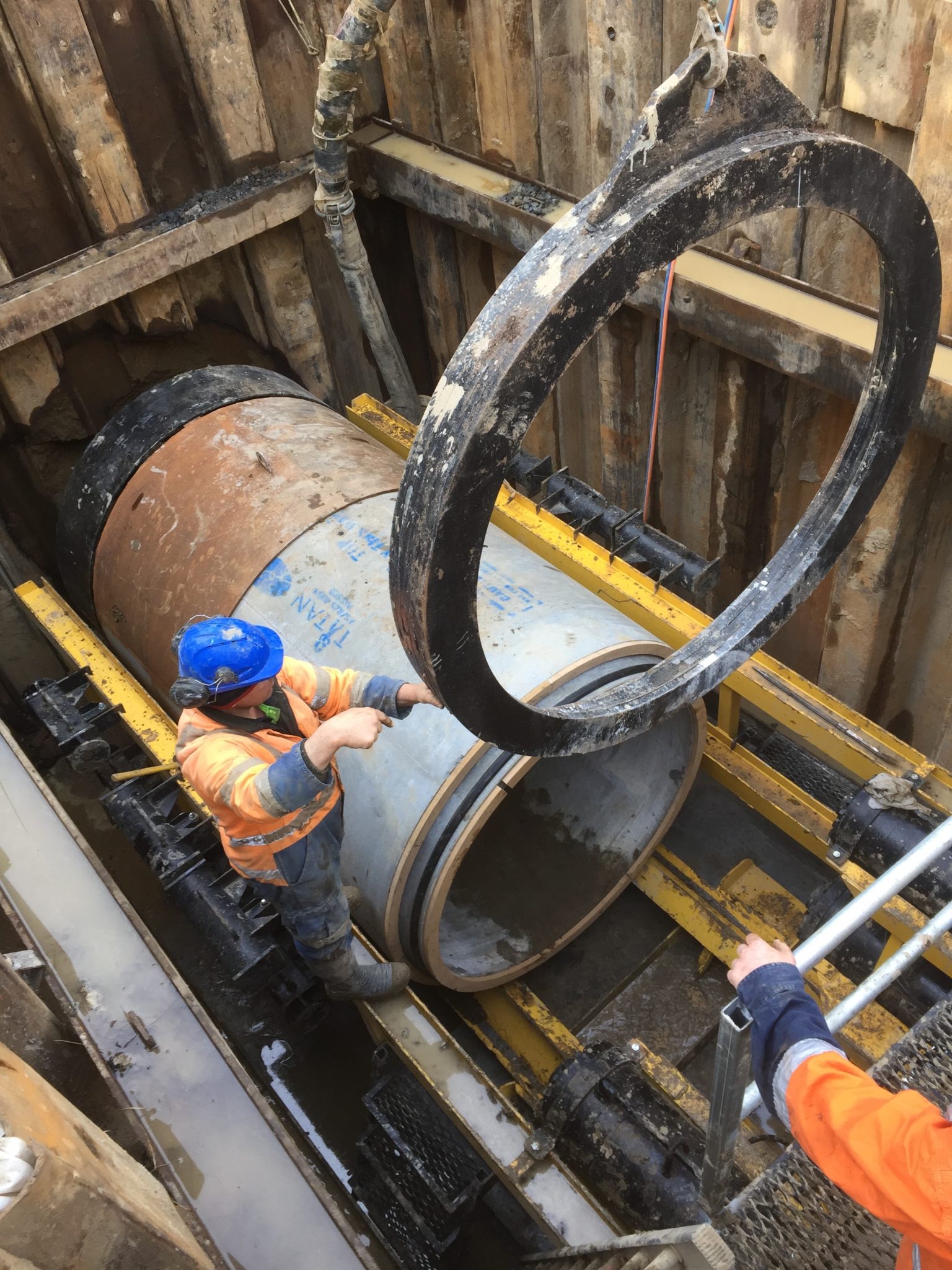
Horizontal Directional Drilling is ideally suited for city development initiatives due to its minimal disruption to on-ground operations. In crowded regions, the traditional trenching methods can lead to major disruptions such as traffic halts, noise, and grime, negatively impacting neighborhood shops and locals. HDD allows for the setting up of utilities such as aqueducts, natural gas, and communication networks below ground without the need for extensive excavation, making it an best option for urban environments where room is at a premium and maintaining traffic flow is essential.
Furthermore, Horizontal Directional Drilling contributes to the sustainability of metropolitan plans by lowering the ecological footprint associated with traditional digging. In towns, vulnerable habitats, cultural landmarks, and pre-existing systems often obstruct construction efforts. Horizontal Directional Drilling reduces the risk of land degradation and site alteration while protecting nearby buildings. This technology allows for efficient utility installation while following green policies, leading to a greater accountability to city planning.
In conclusion, the capability to traverse intricate landscapes with exactness boosts operational effectiveness and minimizes the chances of unforeseen difficulties. Cities often pose special geological circumstances, such as varying soil types and below-ground infrastructure. Horizontal Directional Drilling is adaptable, allowing drillers to adjust angles and depths as needed. https://drillingcontractorsireland.co.uk/ of advanced HDD methods also facilitates better planning and execution, contributing to more rapid project wraps while maintaining high safety standards. This makes HDD not only a practical choice but also a strategic advantage in enhancing urban infrastructure.